 Read the original on CelebYachts →

This report is from CelebYachts, which tracks the superyachts of public figures.1
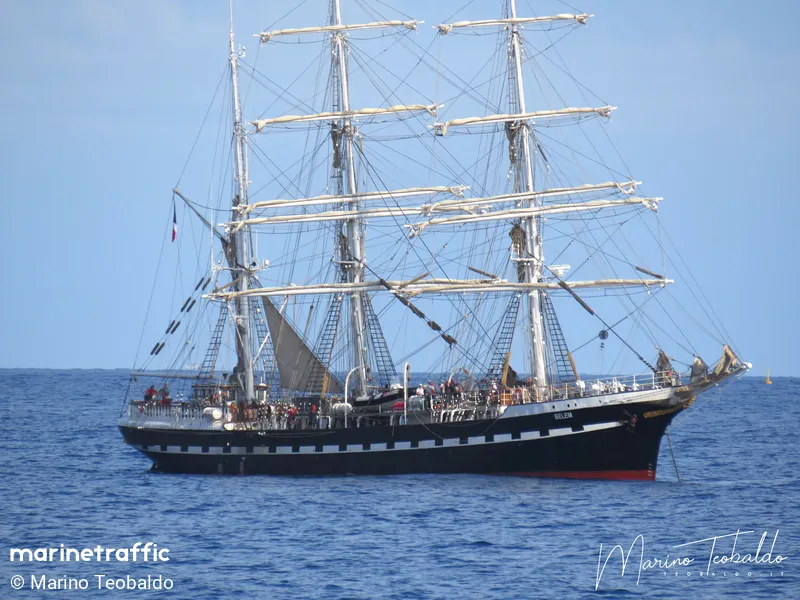
Hugh Grosvenor, the 2nd Duke of Westminster, bought Fantome and Belem in the 1920s. He was a landowner with vast estates. His yacht purchases reveal his taste for speed and engineering.1
Why did the Duke buy Fantome?
Hugh Richard Arthur Grosvenor was a British landowner who inherited millions. He served in the military and held strong political views. He also had an affair with Coco Chanel. On the water, he preferred power over tradition.1
Fantome measures 85.94 metres. She is long for her era. Ansaldo built her in Livorno, Italy. The yard was known for naval construction. In fact, the hull was originally ordered by the Italian navy. It never served as a warship. Instead, it became a private yacht.1
He owned two notable vessels. The first was Fantome. She arrived in 1927. The second was Belem. She was older, built in 1896. Both were motor yachts. This was unusual at the time. Most wealthy owners still sailed. The Duke chose engines.1
Fantome flew the flag of the USA. American registration was common for British yachts then. It avoided certain taxes or restrictions. A naval hull offers a strong frame. It can handle high speeds better than a leisure design. The Duke likely wanted speed.1
Why did the Duke buy Fantome?
Fantome represented modernity. The 1920s saw rapid advances in marine engines. The Duke was a man of action. He served in World War One. He commanded armoured cars in Egypt. He understood machinery. A large, fast motor yacht fit his personality.1
What role did Belem play?
Belem is smaller than Fantome. She measures 58.0 metres. Chantiers Dubigeon built her in Nantes, France. She was launched in 1896. This was decades before Fantome. Why did the Duke own an older vessel?1
Belem may have been a stepping stone. Or she may have served a different purpose. The Duke owned many properties. He had a townhouse in London. He had estates in Cheshire and Scotland. A smaller boat could be easier to manage. It could reach shallower waters.1
Belem flew the flag of France. This fits with her French build. The Duke spent time in France. He had an affair with Coco Chanel. She lived on the Riviera. A French-registered boat would be convenient there. It allowed him to travel freely along the coast.1
How did his wealth fund these boats?
The Duke inherited a massive estate. Eaton Hall in Cheshire was his home. It contained 54 bedrooms. The grounds covered 11,000 acres. He also owned lodges in Scotland and France. These properties generated income. They supported his lifestyle.1
His wealth came from land. Not from business ventures. This is important. Landowners like the Duke did not need to prove their status through new money. They could afford expensive toys. Fantome and Belem were costly. They required crews and maintenance.1
The Duke died in July 1953. His estate faced huge death duties. The bill was £18 million. This took years to pay. It shows the scale of his assets. The yachts were part of that wealth. Their records remain in the register.1
What do these yachts tell us about him?
They show a preference for function. The Duke was a soldier and a politician. He liked things that worked. Fantome was built for speed. Belem was built for utility. Both were metal-hulled motor yachts.1
Read this on celebyachts.com, where the figures are checked against the live register.1