
Key facts
- The migrating reptiles laid a record-breaking 1,483 nests on St. Johns County beaches.1
- Most nests on St. Johns County beaches were laid by the endangered loggerhead sea turtles.2 1 Green sea turtles and leatherbacks accounted for many others.2
- Extra work had to be done to protect the nearly 250 nests laid within sections of the coastline where driving.1
Migrating sea turtles laid a record-breaking 1,483 nests on St. Johns County beaches in 2026, according to preliminary estimates from the county’s Habitat Conservation Plan team.2 1
The total surpassed the previous record of 1,205 nests set in 2023.2
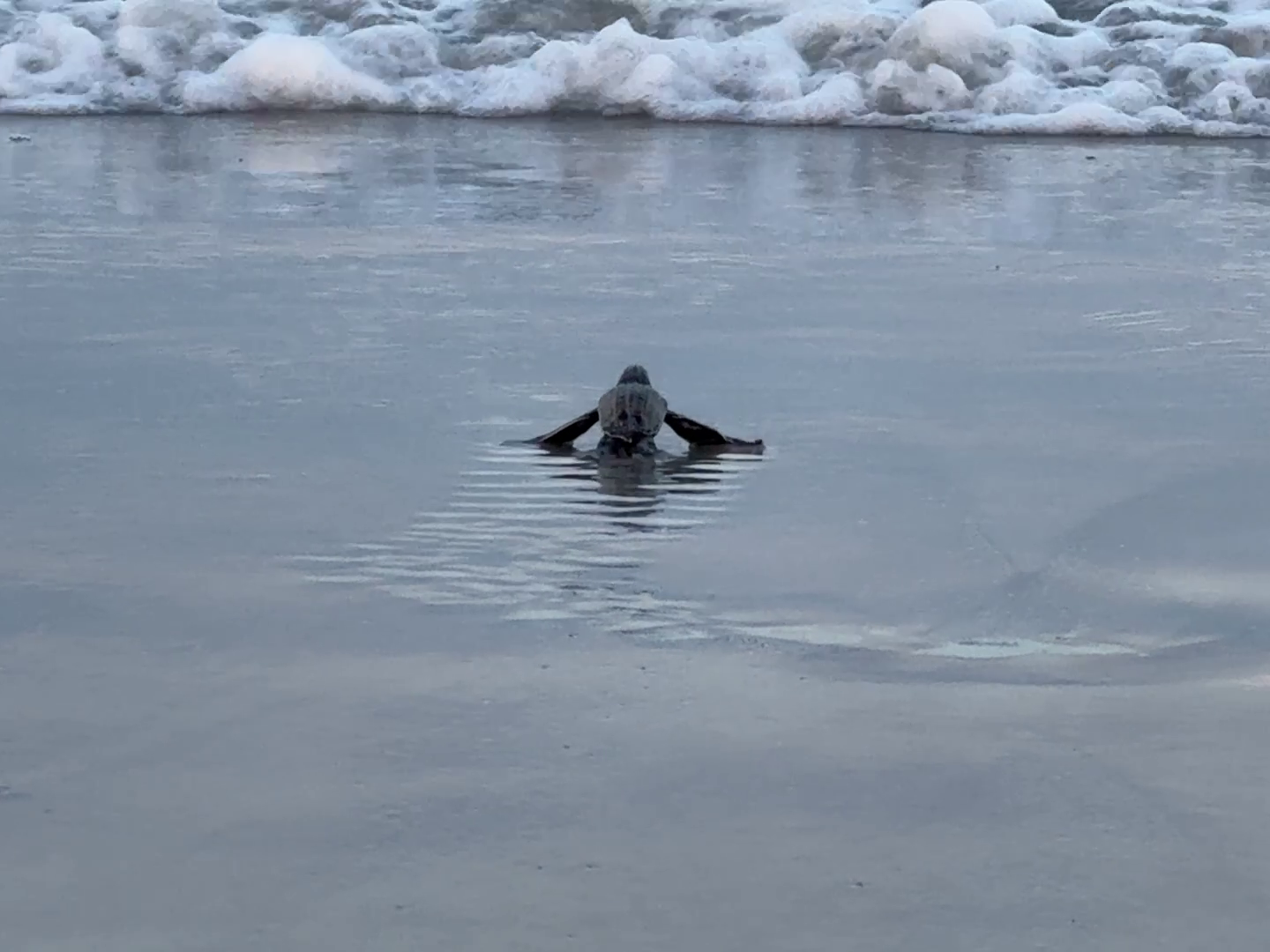
Nest evaluations showed more than 110,000 hatchlings emerged along the coastline during the 2026 season..2 The 2026 season set another local record for hatchlings.2
Endangered species drive most nests
Most nests on St. Johns County beaches were laid by the endangered loggerhead sea turtles..2 1 Green sea turtles and leatherbacks accounted for many others.2
Observers confirmed one nest laid by a Kemp’s ridley sea turtle, the rarest and most endangered sea turtle in the world.2 1
Safeguarding nests on public roads
County workers and conservationists took special measures to safeguard nearly 250 nests laid in beach areas where driving is permitted.2 1
Ten 20-person groups of Florida Fish and Wildlife Conservation Commission volunteers helped monitor sea turtle nests within St. Johns County.2 1
County workers intervened directly to assist hatchlings navigating vehicle tracks.2
The precautions taken to maximize protections for the turtles during nesting season come from the County’s Habitat Conservation Plan.2 1
The Habitat Conservation Plan aims to protect federally listed endangered species while supporting public beach use.2
Long-term planning pays off
Because sea turtles can take up to 30 years to reach sexual maturity, Ashley Raybould noted that the current increase in nesting reflects protections established decades ago.2
Officials partly attributed the population gains to regulations introduced over three decades ago.2 1
“Hopefully most of them made it, hopefully they’re out there still thriving, and maybe decades from now they’ll return to our beautiful beaches to lay their own nests,” Raybould said.2
Keeping beaches clean for turtles
Officials advised beachgoers to maintain clean shorelines between nesting seasons by taking home all equipment and toys, discarding trash in designated bins and remaining out of the dunes to preserve their condition.2
Raybould said, “We work with the FWC volunteers to mark the nests off a little bit more visibly than we do on other beaches, and then we also had a team of 11 staff this year rake the tire ruts in front of those nests that were about to hatch.”2 “Sea turtles need healthy dune systems to be able to lay their nests.”2
“The fact that we have such healthy beaches here in St. Johns County certainly helps,” Raybould said.2